
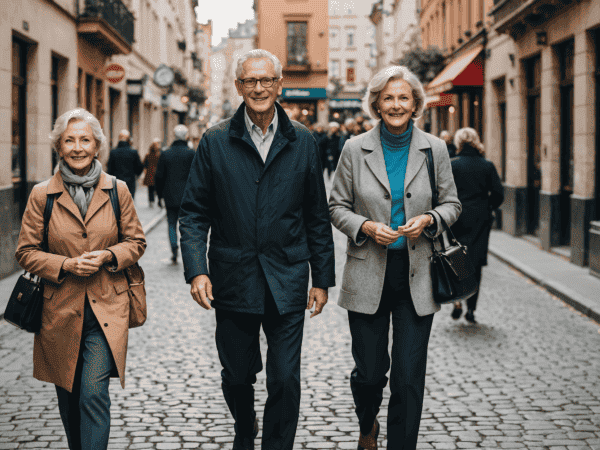
Choosing where to live later in life means more than just having a comfy house. The neighborhood around the home shapes how safe, happy, and healthy older adults feel every day. Cities that focus on safety, quick access to what’s needed, and a warm community get noticed by seniors wanting a stress-free retirement. Lots of places worldwide are changing their streets by adding smooth sidewalks, clear signs, and welcoming parks to make life easier and more enjoyable for seniors. Want to spend your golden years feeling calm and part of a vibrant scene? Knowing what makes a neighborhood great for aging well can make all the difference. Keep reading to find out how simple changes can turn any spot into the ultimate place to thrive when the years ahead look bright.
While some may assume urban living presents more risks, the right cities combine modern amenities, thoughtful design, and social opportunities that make them ideal for aging populations. The goal is to find locations that are easy to get around in, have quality healthcare facilities nearby, and are free from hazards that could compromise safety. Exploring these safe urban areas helps ensure that older adults can continue to thrive, stay independent, and maintain a quality of life that feels fulfilling. Let’s take a closer look at what makes certain cities stand out as the safest choices for aging adults today.
Accessible Infrastructure and Transportation for Seniors
Importance of Barrier-Free Design
One of the key factors that determine whether a city is safe for older adults is its infrastructure. Cities that incorporate barrier-free design principles enable seniors to move around without unnecessary obstacles. This includes smooth pavement, curb cuts at crosswalks, and wide sidewalks that accommodate mobility aids like walkers and wheelchairs. When urban areas prioritize accessible infrastructure, they reduce fall risks and foster independence for seniors.
Reliable and Age-Friendly Transportation
Public transportation ready for seniors typically features low-floor buses, priority seating, clear signage, and frequent service. Cities that invest in transit systems that are easy to access and navigate allow older adults to participate fully in community life. Having dependable transportation options also decreases isolation and encourages engagement with local activities, health services, and social events. When evaluating urban areas, check for cities with a strong focus on transportation accessibility to ensure safe and convenient travel for aging residents.
Healthcare Facilities and Emergency Services
The proximity and quality of healthcare services are essential considerations for safety in urban environments. Cities with well-established hospitals, clinics, and specialist care centers provide peace of mind for seniors managing chronic conditions or seeking regular health checkups. Easy access to emergency services also assures that urgent needs can be addressed promptly.
Look for urban areas that offer comprehensive healthcare networks, transportation to medical facilities, and community health programs tailored to older adults. The presence of senior-focused clinics and wellness centers indicates a city’s commitment to supporting aging populations. Ensuring access to quality healthcare is fundamental to maintaining safety and health as one ages.
Community Engagement and Social Support Networks
Feeling connected and supported is crucial for safety and mental well-being in later years. Cities that foster vibrant community programs, social clubs, and volunteer opportunities provide opportunities for older adults to stay active and engaged. Social isolation can lead to safety risks, so places that promote interaction help prevent loneliness and related health issues.
Consider urban areas that host senior centers, cultural events, and neighborhood networks. These environments nurture a sense of belonging and offer support in case of emergencies or health concerns. Making connections within the community keeps seniors informed, alert, and involved in city life, which ultimately enhances safety.
Environmental Safety and Urban Design
Beyond infrastructure and services, the overall urban environment impacts safety levels for seniors. Safe cities feature well-lit streets, pedestrian crossings, and secure public spaces. Green areas like parks should be designed with age-friendly features such as smooth paths, rest areas, and clear signage.
Urban planners focusing on safety often incorporate features like traffic calming measures to reduce vehicle speeds and pedestrian-friendly zones. These elements help protect older adults from accidents and reduce stress while outdoors. Cities that take a holistic approach to design and safety standards create environments where seniors can enjoy the outdoors confidently.
Safety-Driven Policies and Community Initiatives
City policies that prioritize elderly safety can make a substantial difference. These include crime prevention programs, neighborhood watch schemes, and regulations ensuring building safety standards. Some cities also implement technology solutions like emergency alert systems and surveillance in public areas.
Active community initiatives that educate residents, improve neighborhood safety, and foster collaboration between local agencies contribute significantly to overall safety. When local governments and communities work together toward common goals, urban areas become safer havens for aging adults. If you’re interested in how urban planning is evolving to support seniors, join this vibrant online community to stay updated on innovative design solutions.
Examples of Cities Leading in Senior Safety
Some cities stand out as leaders in creating safe environments for older adults. For example, Copenhagen, Denmark, has invested heavily in cycling infrastructure, making active transportation safe and accessible for seniors. Vancouver, Canada, offers extensive accessible public transit and outdoor spaces designed with safety in mind. Additionally, cities like Vienna, Austria, prioritize community programs and healthcare access for seniors, resulting in high safety standards.
When examining these examples, look for cities that combine high-quality infrastructure, supportive policies, and active community engagement. These elements create safer urban environments where older adults can maintain independence and enjoy life fully.
Practical Tips for Seniors Choosing a Safe Urban Area
- Research local healthcare facilities and emergency services before moving or visiting.
- Visit neighborhoods to assess walkability, lighting, and accessibility features.
- Engage with local community groups to understand the social support available.
- Check public transportation options and their accommodations for seniors.
- Investigate safety statistics and crime rates for potential areas.
- Consider proximity to parks and green spaces that promote healthy outdoor activity.
- Evaluate the city’s investment in age-friendly urban design and safety policies.
Conclusion
Selecting an urban environment that prioritizes safety for aging adults can significantly enhance quality of life and independence. Cities that invest in accessible infrastructure, reliable transportation, quality healthcare, and active community engagement create environments where seniors feel secure and supported. Amid rapid urban growth, it’s essential for communities to continue evolving with a focus on safety standards that serve all generations.
If you’re interested in how urban design shapes safer cities for seniors, consider join this vibrant online community to stay informed about innovative developments. By choosing cities that emphasize safety and accessibility, older adults can enjoy their later years with confidence, independence, and a sense of belonging in vibrant, welcoming communities.