
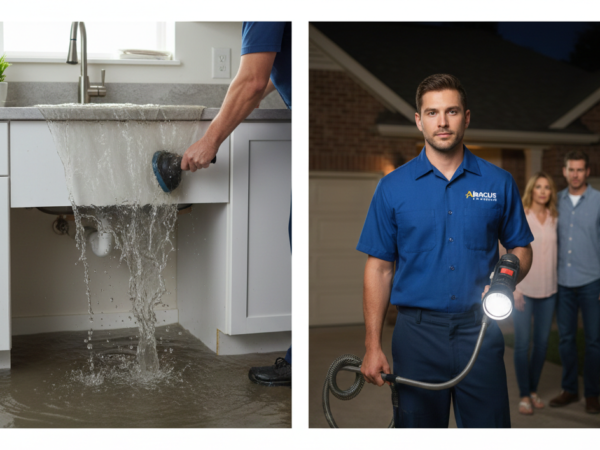
Drain emergencies can turn a normal day into a stressful situation in minutes. When a sink, shower, or toilet refuses to drain or starts to overflow, quick and calm action reduces damage and shortens the time to recovery. This article lays out clear steps you can take right away and what to expect from a trained plumber when professional help arrives.
The guidance below is written for homeowners and renters who want practical, hands on directions for common emergency scenarios. Read through the steps, pick the ones that apply to your situation, and keep the list handy for the next time a drain clogs at the worst possible moment.
First actions to take when a drain clogs and water backs up
Initial moves focus on stopping further damage and protecting people and possessions. Start with these basic actions right away.
- Turn off water to the affected fixture A running tap can make a small clog into a flood. If the problem is a toilet, stop flushing. For sinks and tubs close the faucet and limit use of water in other parts of the house.
- Isolate electricity risks If water reaches electrical outlets or appliances avoid using them. If a breaker has to be switched off do it from the main panel and keep the area dry while you work.
- Clear nearby possessions Remove rugs, towels, and items from the floor around the affected area. The less that gets wet the easier cleanup and less chance of staining or mold.
- Contain the overflow Use buckets or towels to collect water. In bathrooms a mop and a wet vacuum can help limit pooling while you prepare the next step.
Safety priorities to keep people healthy
Drains can hide bacteria and chemicals. Protect household members and pets while you handle the emergency.
- Wear protective gloves Rubber or heavy work gloves reduce contact with contaminated water and debris.
- Use eye protection If you plan to use a drain snake or pressurized tool avoid splashes into the face.
- Ventilate Open windows and doors to remove sewer odors and fumes from cleaning products.
- Watch for slippery floors Put down absorbent material or non slip mats where people must walk.
Tools and supplies that often help during a drain emergency
If you keep a basic emergency kit you can often reduce the problem yourself. Gather these items ahead of time so they are ready when needed.
- Plunger A flange plunger for toilets and a cup plunger for sinks can clear many stoppages.
- Hand auger or drain snake A short household snake can reach blockages in sinks and tubs. Know how to feed and retrieve the cable without bending it sharply.
- Rubber gloves and cleaning rags
- Buckets and a wet vacuum For water removal and temporary containment.
- Flashlight In case the power is off or the space under a sink is dim.
What not to do during a clog and why
Some common reactions make a clog worse or create hazards. Avoid these moves that damage pipes or raise the chance of injury.
- Do not pour chemical drain cleaners down a severely clogged line These products can produce heat and corrosive fumes. When water is pooling they can splash back and burn skin or damage fixtures.
- Do not use an electric auger without training High power snakes can break pipes or injure the operator when used incorrectly.
- Avoid forcing water through a blocked toilet Repeated flushing can cause overflow and sewage contamination.
- Do not remove a toilet without knowing the seal and flange condition This can make a repair longer and more expensive.
When to call a professional and what to say on the phone
Some clogs you can fix with household tools. Others need a plumber with experience and specialized equipment. Call a pro when the problem fits any of these descriptions.
- Multiple drains are slow or backing up at once
- Sewage or foul water is present
- A sink or toilet overflows repeatedly after plunging
- Water is leaking from pipe joints or walls
- You cannot reach the blockage with a household snake
When you call include a clear description of the situation and recent events that might matter. For example mention recent construction, tree planting near the sewer, or what items might have been flushed
If you need professional clogged drain emergency help contact a local plumber who offers 24 hour service. A single call can connect you to a technician who will advise on immediate containment and arrange a visit if needed.
Information to provide for a faster response
- Exact location of the problem inside the building
- Which fixtures are affected
- Whether backups are sewage or relatively clean water
- Any recent work in or around plumbing lines
- Access details such as blocked driveways or gate codes
What a professional will likely do on arrival
A trained technician will start with a visual inspection and then move to testing. Common steps include running a camera into the drain to locate the blockage, using an electric auger or high pressure water jet as appropriate, and repairing damaged pipe sections if needed. The pros can also offer recommendations to prevent the same problem from coming back.
Temporary fixes to reduce damage while you wait
Short term measures can limit damage until a plumber arrives. Use these tactics based on the situation and do not convert them into long term repairs.
- Shut off the main water if flooding is severe This stops most sources of incoming water and prevents further overflow.
- Use towels and fans to dry surfaces Remove standing water from floors and baseboards to prevent staining and mold growth.
- Apply a temporary patch For a leaking pipe under a sink use a rubber patch and hose clamp to slow a leak enough to wait for a technician.
- Redirect water flow If only one fixture is blocked use alternate sinks or external hoses to move water away from the area until repair is possible.
Steps to reduce future drain emergencies
After the immediate problem is solved take time to inspect and adjust habits to lower the chance of recurrence. A few small changes prevent most common clogs from returning.
- Install strainers Use mesh or perforated strainers in sinks and showers to catch hair and solids.
- Do not pour grease or coffee grounds down drains Allow fats to cool and discard them in the trash.
- Flush toilets responsibly Only toilet paper and human waste belong in the bowl. Sanitary wipes and paper towels go to the trash.
- Schedule periodic professional maintenance A yearly check for tree root intrusion and routine snaking for homes on older lines can save thousands in repairs.
Real world examples that show what works
Example one A homeowner had standing water in the bathtub after a heavy rain. They shut off the outdoor hose supply, used a plunger for 10 minutes to clear a hairball near the drain, and then ran a little hot water to flush remaining residue. The problem did not recur and a follow up check found no structural damage.
Example two A commercial kitchen experienced slow floor drains after weeks of grease buildup. The staff avoided chemical cleaners. A plumber used a mechanical auger and a degreasing rinse. The owner then set a weekly grease capture routine and installed a grease trap cleaner schedule which stopped repeated blockages.
Emergencies test patience and decision making. If you act quickly and follow the steps above you limit damage and reduce cleanup time. Keep a basic kit in a labeled box that includes gloves, a plunger, a hand snake, towels, and a flashlight. Share your plan with household members so everyone knows where important items are kept and what to do when water starts to pool.
Conclusion
Drain problems happen without warning and the right early moves make a large difference. Start by stopping the water flow and protecting the area from contamination. Use simple tools like a plunger and a hand auger for many stoppages but avoid aggressive chemical treatments when sewage or standing water is present. Know when to call a professional and what information speeds up the response. If your situation meets the criteria for expert intervention do not hesitate to contact a licensed plumber who offers emergency service and clear instructions on containment. For quick access to service in many areas and guidance on immediate next steps seek clogged drain emergency help from a qualified provider. After the crisis review your habits and add preventive measures such as strainers and scheduled maintenance to reduce likelihood of a repeat event. Acting calmly, safely, and with a plan saves time and limits cleanup work for your household. If you are facing a current problem pick the most relevant steps from this article, gather your kit, and call for professional support when needed.